 In person, NZ and Australia
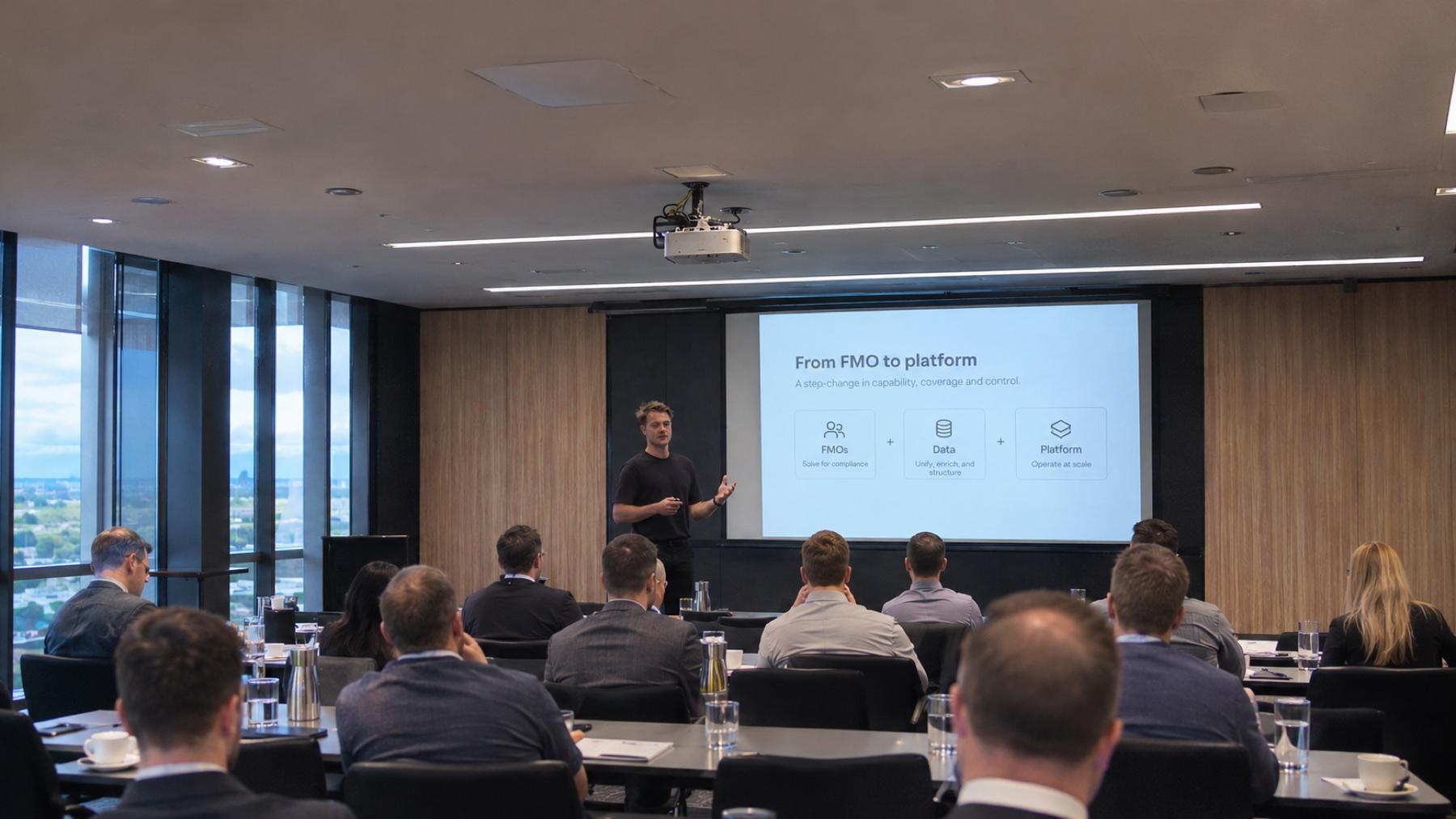
Claude training for your team, in your office.
A one-day Claude course built on your team's real work. Everyone set up, one recurring workflow per person built into a Claude skill, and every workflow timed before and after, so you know it worked.
The short answer
Claude training for a team is not the same as a Claude course for one person. A self-paced course teaches the features. Team training decides what the business puts into Claude, builds the jobs each person repeats into skills on their own work, connects Claude to the tools the business runs, and times each job before and after. Sentry AI runs it as one day in your office, in New Zealand and Australia.
Who Claude training for teams suits
Most teams that buy Claude end up with three people using it every day and everyone else having opened it once. Nothing is wrong with the tool: a licence gives people a capability and no job to do with it. The training day gives every person that job.
A team that has bought Claude
Five to fifty people on Claude Team or Enterprise, a few enthusiasts and a lot of quiet seats. The day moves everyone onto real work at once.
A business about to choose
Still deciding between Claude and ChatGPT, or between plans. We help you choose before the day and set the organisation up with you.
Owners who want it measured
You want to know whether it worked in hours, not opinions. Every workflow leaves with a baseline and a goal.
Not a fit: if you are one person learning Claude on your own, Anthropic's free, self-paced courses are the better place to start. If you need a certificate for every attendee, this is not that either (here is what Claude certification actually is). And if your team lives in Microsoft 365 and already pays for Copilot, read Copilot training or Claude training: which first before you book either.
The Claude course outline
Five parts, one day, your work
The outline is the same for every team. What it is applied to is yours, so nobody spends the day on an exercise they will never use again.
- 01
Set up, and agree what goes in
Everyone on your Claude organisation, with the data settings checked. Then a one-page policy on what may go into Claude and what may not, written with the owner in the first hour rather than after something goes wrong.
The one-page AI policy we start from - 02
Give Claude the business
Projects and context files that tell Claude how your business works: who you sell to, how you write, what your numbers mean. This is the step that turns general answers into answers about your business.
- 03
Build one workflow per person
Each person names one job they repeat every week and builds it into a Claude skill with us, on their real work. By the afternoon it runs the same way every time, so the good result becomes the normal one.
- 04
Connect the tools you already run
Claude connected to the systems the work lives in, such as Microsoft 365, Google Workspace, Xero or your CRM, with access set so each person sees what they should.
How the connections work - 05
Time it, and set the goal
Every named workflow is timed before we build anything and again once it runs. Before we leave, each one has a goal against its own baseline: by default, twice as fast.
Claude course, Claude workshop or Claude training?
Three different things are sold under the same few words. Pick by what you need to be true the week after.
| Our Claude training day | Online Claude course | Generic AI workshop | |
|---|---|---|---|
| What you learn on | Your own work | Example tasks | A generic demo |
| Who it suits | A team that has to use it next week | One person learning alone | A team, for a morning |
| What you leave with | A working skill per person, connected to your tools | Knowledge of the features | Notes and slides |
| How you know it worked | Each workflow timed against its own baseline | Course completion | A feedback form |
| Where it happens | Your office | Online, self-paced | A venue or a call |
Teams we have trained on Claude
Not slides. A team on Claude by the end of the day.
A five-person ecommerce team moved its core tasks from about four hours to about one against its own baseline. A retailer runs seven departments through Claude. Both started with a day in the room.
Book a Claude training dayWho runs the Claude training
Every training day is run by the people who build the work it teaches. We run our own business on Claude, and the skills your team builds are the same kind we build and maintain for our clients every day.

Every answer, skill and training day comes from James Oldham, who founded Sentry AI in Auckland and does the engineering on the work these pages describe. About James
- people connected to the AI systems we run
- 185+
- skill runs a month across client teams
- 1,500+
- skills in a single client's library
- 45
- organisations we run AI for today
- 7
Live figures from the teams we work with, October 2026.
Other ways to train a team on Claude
The full day is the flagship. Teams that already have Claude and not the habit often start with a half-day skill clinic; owners often start with a leadership session; some teams prefer a session a week for a month. Every format, for Claude and for ChatGPT, is on the AI workshops page.
Claude training questions
What does your Claude training cover?
Five parts in one day: setting everyone up on your Claude plan with a short policy on what may go in, giving Claude the context of how your business works, building one recurring workflow per person into a Claude skill, connecting Claude to the tools you already run, and timing each workflow before and after. Everything is done on your team's real work, not on examples.
Is this a Claude course or a workshop?
Both. It is a structured course with a fixed outline, delivered as a hands-on workshop in your office. The outline is the same for every team; the work it is applied to is yours, so nobody spends the day on exercises they will never use again.
How is this different from a free online Claude course?
Anthropic publishes good free, self-paced courses, and for one person learning what Claude can do they are the right place to start. They teach the features. Team training is a different job: deciding what your business puts into Claude, building the workflows your people actually repeat, and checking that the time came down. That needs your work in the room, which an online course cannot see.
Who is Claude training for?
Teams of roughly five to fifty people that have bought Claude, or are about to, and want it used on real work rather than paid for. Owners and managers usually join the first hour, where the decisions get made. If you are one person learning on your own, a self-paced course is the better buy.
Which Claude plan do we need before the training?
Most teams use Claude Team; larger organisations with stricter controls use Enterprise. If you have not chosen, we help you choose before the day and set the organisation up with you. Our comparison of the two plans is on the Claude Team vs Enterprise page.
Do you run Claude training in Australia?
Yes. We are based in Auckland and run training days across New Zealand, and in Australia, including Sydney and Melbourne, by arrangement. The day is the same in both countries.
How many people can attend a Claude training day?
The day works best when everyone in the room brings one real workflow. For larger teams we run it in groups so every person leaves with something built, rather than watching someone else build it.
Does it cover Claude Code?
The day is written for the people who run the business: finance, marketing, operations and customer service. If your team includes developers, tell us beforehand and we cover Claude Code for them as part of the day.
Do people get a certificate?
No. Each person leaves with a workflow that runs faster than it did that morning, and the timed number to show it. That is the evidence the training worked, and it is worth more to the business than attendance.
How do you know the training worked?
We time each named workflow with your team on the day, before anything is built, and set the goal before we leave: by default, twice as fast as your own baseline. Then we check it again. The measure is time against that baseline, not logins or a feedback form.
Book a Claude training day for your team
Send us your website first. We build a Claude assistant for your business from it, so the first conversation starts with something working.